



wBANs, Conductive Polymers, Smart Bandages, Wireless Drug Delivery & Energy Harvesting


Urban's Video on PLGA Nanoparticles
Additional Links
Other Pages & NotesExpand for Additional Links



Source Overview(s)
"Wireless Body Area Networks and Their Applications – A Review"
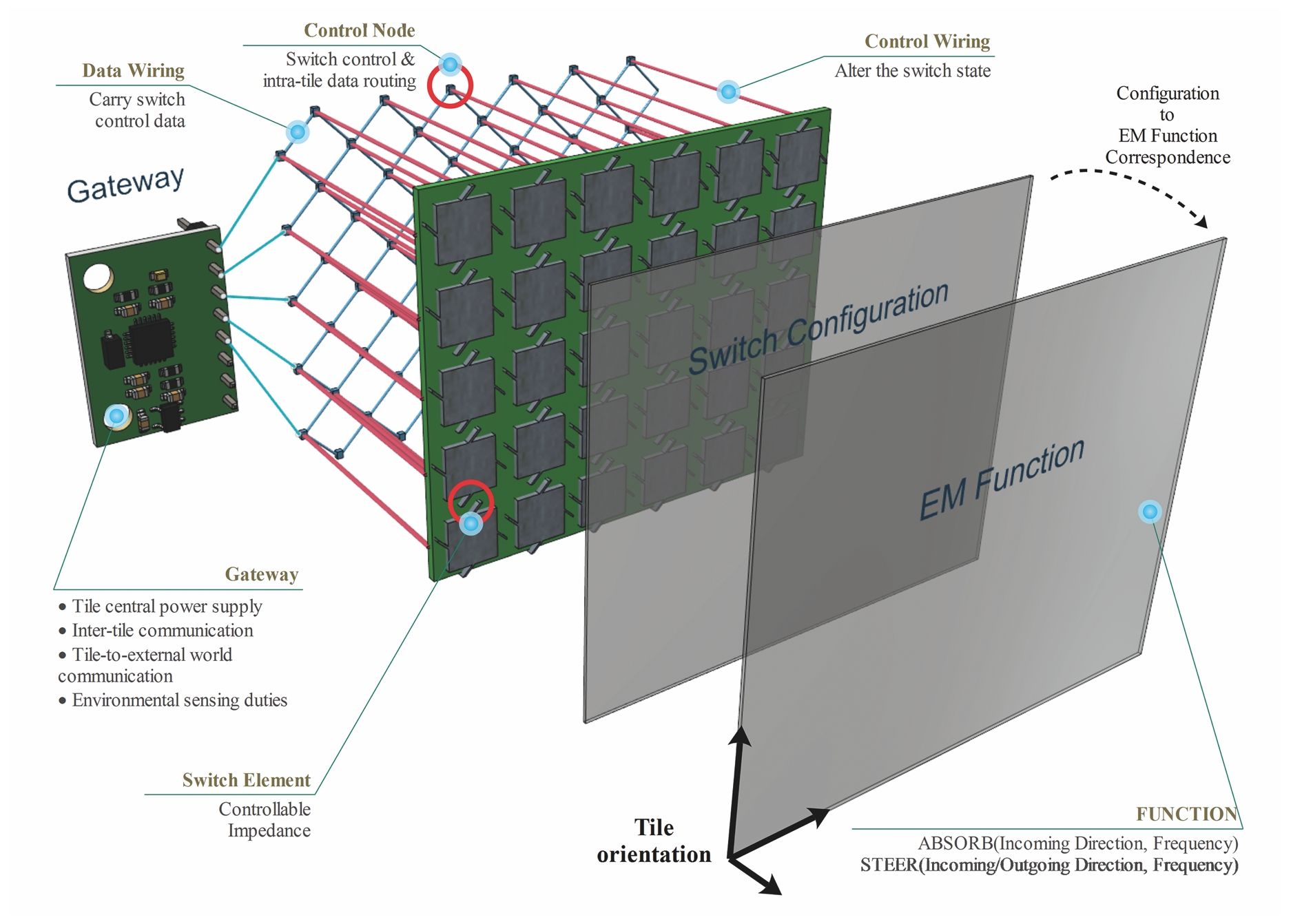
This scholarly review explores the architecture, security, and hardware components of Wireless Body Area Networks (WBANs), which are systems of sensors and actuators located on or inside the human body. The text classifies the network into a three-tier architecture that facilitates data movement from personal biological sensors to external gateways and finally to remote end-users like medical professionals. A significant portion of the research focuses on the technical hurdles of energy harvesting and power management, alongside the necessity for specialized flexible antenna designs that maintain efficiency despite the interference caused by human tissue. Furthermore, the authors emphasize the paramount importance of network security, detailing various authentication strategies and blockchain integrations required to protect sensitive personal health data from threats like jamming or eavesdropping. Ultimately, the paper serves as a comprehensive guide to how these interconnected devices function within the Internet of Things (IoT) to advance fields such as remote healthcare, military training, and interactive gaming.
"Exploring Polymer Substrates for Self-Powered Sensors in Healthcare"
This technical report examines the advancement of polymer substrates used to create self-powered healthcare sensors, moving away from traditional battery-reliant devices toward sustainable, maintenance-free monitoring. The text outlines a technological evolution from basic plastic films to sophisticated multifunctional materials capable of harvesting energy from body heat, movement, and biochemical reactions. It addresses the critical intersection of material science and medical necessity, highlighting how biocompatibility, mechanical flexibility, and various energy-harvesting mechanisms—such as piezoelectric and triboelectric effects—are essential for long-term patient care. Ultimately, the source serves as a comprehensive overview of the market demand, key industry players, and innovation challenges involved in developing autonomous sensors that can revolutionize personalized medicine and remote health tracking.
"Nano-Enriched Self-Powered Wireless Body Area Network for Sustainable Health Monitoring Services"
This research paper explores the development of a Self-Powered Wireless Body Area Network (SpWBAN) designed for continuous and sustainable health monitoring. By fabricating specialized piezoelectric nanofibers from nano-enriched materials, the researchers created sensors capable of harvesting energy directly from human physical activities, such as joint movements and heartbeats. The study introduces a smart management system powered by machine learning to optimize data transmission and energy usage through a specialized medium access control protocol. Ultimately, the results demonstrate that these self-charging bio-nanosensors significantly extend network lifetime and improve efficiency compared to traditional battery-dependent wearable technologies.
"ONDEMAND Drug Delivery: The Role of Conducting Polymers and Wirefree Electrochemistry"
This doctoral thesis by Áine Brady explores the development of an "on-demand" drug delivery system designed to provide targeted, safe, and controlled therapeutic release for diseases like breast cancer. The research focuses on the unique redox characteristics of conducting polymers, specifically PEDOT, which can load and discharge medicinal compounds through electrochemical doping and de-doping processes. A major innovation presented is the use of wirefree or bipolar electrochemistry, a technique that triggers drug release without requiring physical electrical connections to the implant or delivery vehicle. By investigating electric field distribution and polymer characterization, the work aims to advance minimally invasive medical treatments that reduce the severe side effects typically associated with conventional chemotherapy.
Key Words & Terms

Self-Powered Wireless Body Area Network (SpWBAN)
The Magic of Conducting Polymers: Sensing and Healing in Smart Bandages
1. Introduction: The Era of the "Smart Bandage"
In the traditional clinical landscape, a bandage is a silent, passive barrier. However, we are now architecting a new paradigm: Wound Theranostics. This field merges real-time diagnostics with precision therapy, transforming the bandage from a simple covering into a proactive medical device. By utilizing Laser-Induced Graphene (LIG) as the "nervous system" or conductive skeleton of the bandage, we can grow specialized conducting polymer "muscles" and "skin" that actually interrogate the wound environment.
To distinguish between normal healing and the onset of infection, we must monitor two primary biomarkers: pH and Uric Acid (UA). These two chemicals provide a high-fidelity narrative of the wound's status.
| Biomarker | What it Reveals (Healing vs. Infection) |
|---|---|
| pH Level | Healing: Remains mildly acidic (5.5–6.5). Infection: Shifts to alkaline (7.15–8.9) as bacteria proliferate. |
| Uric Acid (UA) | Severity: High levels indicate severe cell damage and metabolic ATP release. Infection: Low levels suggest the catalysis of microbial uricase by invading bacteria. |
While these biomarkers carry the data, we require materials capable of "transducing"—or translating—biochemical fluctuations into electrical signals. Conducting polymers are the unique class of materials that bridge this gap between biology and electronics.
2. PANi (Polyaniline): The pH-Responsive Sentinel
Polyaniline (PANi) is our frontline diagnostic tool, operating across a vital clinical range of pH 4–10. Its sensing capability stems from a specific chemical property: reversible protonation and de-protonation. As the wound fluid shifts between acidic and alkaline states, the polymer backbone physically "exchanges" hydrogen ions (H^+) with the environment, triggering a fundamental change in its electrical resistance.
Concept Spotlight: The Molecular States of PANi
- Acidic Environment (Low pH): PANi undergoes protonation to become Emeraldine Salt. In this state, it is highly conductive, allowing current to flow easily.
- Alkaline Environment (High pH): PANi undergoes de-protonation to become Emeraldine Base. In this state, the polymer becomes non-conductive (insulating).
The "So What?": Because the transition between these two states results in a dramatic, measurable change in electrical resistance, PANi acts as a self-reporting sensor. By measuring the electromotive force (EMF), we can pinpoint the wound's pH with Nernstian sensitivity. However, while pH tells us the state of the environment, we need a second specialized detective to identify the presence of specific metabolic signatures.
3. PEDOT (Poly(3,4-ethylenedioxythiophene)): The Precise Detective
While PANi monitors the general environment, PEDOT serves as the transducing layer for specific biosensing. In this system, PEDOT acts as a stable, conductive matrix that holds an "artificial peroxidase"—Prussian Blue (PB)—and the enzyme uricase.

The detection of Uric Acid (UA) occurs through a coordinated chemical sequence:
- Enzymatic Reaction: The immobilized uricase reacts with UA in the wound fluid.
- Product Generation: This reaction yields hydrogen peroxide (H_2O_2) as a byproduct.
- Catalytic Reduction: The Prussian Blue within the PEDOT matrix catalyzes the reduction of H_2O_2.
- Signal Conversion: This reduction is performed at a potential of −0.2 V—a specific value chosen to suppress interference from other bio-molecules like Ascorbic Acid (AA). This creates an electrical current proportional to the UA concentration.
The "pH Problem": A critical "lightbulb moment" for any material scientist is realizing that enzymes are pH-dependent. If the wound pH shifts, the uricase activity changes, leading to an inaccurate UA reading. To solve this, our system uses the data from the PANi sensor to apply pH compensation. By knowing the exact pH, the device can adjust the UA calculation in real-time, ensuring the diagnosis remains accurate regardless of the environment's acidity.
4. PPy (Polypyrrole): The On-Demand Pharmacist
Once the diagnostic array detects an "anomalous" state—such as the alkaline shift of infection—the bandage must transition to therapy. Polypyrrole (PPy) functions as an active drug carrier for the antibiotic Ciprofloxacin (Cipro).

The polymer acts as a chemical trap: during polymerization, the drug molecules are not merely mixed in; they are incorporated as "counterions" to maintain charge neutrality within the molecular architecture. The release is then triggered by a controlled electrical stimulus of 0.6 V.
Mechanism of Action:
- Passive Diffusion: This is the natural, slow "leakage" of traditional dressings, which is often insufficient to halt aggressive bacterial growth.
- Active Electrical Release: Applying 0.6 V triggers oxidation of the PPy backbone. This causes an immediate injection of anions and water molecules into the polymer, leading to a rapid volume expansion (swelling). This physical "opening of the door" pushes the drug molecules out of the matrix.
This active mechanism is 2.58x more efficient than passive release, allowing the bandage to deliver a concentrated, "pulsatile" burst of medication exactly when the sensors detect trouble.
5. Systems Integration: The 3D Theranostic Array
To achieve this level of functionality without creating a bulky dressing, these polymers are integrated into a 3D laminated structure. By layering the sensors and the drug carrier onto flexible LIG electrodes, we maximize the drug-loading capacity while minimizing the device footprint.
This 3D array is then connected to a Flexible Printed Circuit Board (FPCB)—the "brain" of the bandage—which manages data acquisition, Bluetooth connectivity, and the power required for drug release.
The Polymer Power-Grid
| Polymer | Core Chemical Property | Clinical Role in the Bandage |
|---|---|---|
| PANi | Redox Reversibility | Monitor pH to identify infection risk and provide compensation data. |
| PEDOT | Transducing Matrix | Detect UA levels to measure cell damage and microbial catalysis. |
| PPy | Electrically Triggered Swelling | Provide on-demand, active release of antibiotics (Cipro). |
The Closed-Loop Potential: This integration enables a "closed-loop" system where sensing directly informs treatment. If pH and UA levels cross a critical threshold, the FPCB can automatically trigger the 0.6 V pulse to release antibiotics, potentially stopping an infection before it becomes visible to the human eye.

6. Conclusion: The Future of Personalized Wound Care
Conducting polymers have transitioned from laboratory curiosities to the backbone of intelligent medicine. Their ability to act as sensors, conductors, and actuators simultaneously makes them the ideal medium for personalized wound care.
Key Insights for the Aspiring Material Scientist:
- Multifunctional Versatility: Polymers like PANi and PPy allow us to build "smart" systems that can sense, think, and act within the same material family.
- Multiplexed Accuracy: Reliability in bio-materials comes from integration. Using PANi to compensate for the pH-sensitivity of the PEDOT sensor ensures clinical-grade data in a fluctuating environment.
- Economic Scalability: The architecture is designed for accessibility. The disposable 3D sensor array costs only € 0.50 to produce, while the sophisticated reusable FPCB costs approximately € 49, making high-tech wound care viable for large-scale clinical use.
- Active vs. Passive Control: The true power of this technology lies in the shift from "leaky" passive dressings to "pulsatile" active release, providing a higher therapeutic efficacy tailored to the specific needs of the patient's wound.

Smart Bandages: The Future of Wound Theranostics
1. The Concept of "Theranostics"

In the evolving landscape of bio-engineering, we are witnessing a "magical" shift in how we approach recovery. This shift is defined by theranostics, a powerful integration of diagnostics (the ability to monitor a condition) and therapy (the ability to treat it) into a single, seamless platform.
Traditionally, wound care has been a reactive, qualitative process. Clinicians often rely on visual inspection—looking for redness or swelling—or time-consuming laboratory tests that can take days to return results. By the time an infection is visible to the human eye, the biological battle is already well underway. Smart bandages transition this paradigm into quantitative, real-time management. These devices act as a persistent, wearable laboratory that "listens" to the wound’s micro-environment, providing a closed-loop system that detects and treats complications before they become critical.
Key Insight: The "So What?" Why is this a breakthrough for personalized medicine? Smart bandages allow for "proactive" rather than "reactive" care. By identifying chemical shifts at the molecular level, these devices reduce the need for frequent dressing changes, minimize hospital visits, and prevent severe complications in chronic conditions like diabetes through remote, wireless monitoring.
To understand how this system operates, we must first look at the specific "biological messengers" the bandage is designed to intercept.
2. The Biological Messengers: pH and Uric Acid (UA)
A healing wound is a complex chemical factory. To determine if a wound is progressing toward health or succumbing to infection, the smart bandage tracks two critical biomarkers found in the wound fluid (exudate).
| Biomarker Name | Normal Healing Levels | Infection / Warning Levels |
|---|---|---|
| pH Level | Acidic (5.5–6.5) | Alkaline (7.15–8.9) |
| Uric Acid (UA) | 220–750 μM | Decreasing UA levels (due to bacterial consumption) |
The Detection Challenge In the curriculum of wound diagnostics, we learn that no single signal tells the whole story. For example, an alkaline pH shift can indicate a severe wound or a bacterial infection. To distinguish between the two, we must monitor Uric Acid. While UA levels typically rise with wound severity due to cellular metabolism, they actually decrease in the presence of infection because bacteria consume the UA through the catalysis of microbial uricase.
However, a technical hurdle exists: the enzymes used to detect Uric Acid are highly sensitive to pH fluctuations. To solve this, the smart bandage employs pH compensation. By measuring pH levels simultaneously, the system uses a sensitivity correction factor to "recalibrate" the UA reading in real-time. This ensures that the diagnostic data is accurate regardless of the environment's acidity or alkalinity.
Translating these chemical signals into digital data requires a specialized toolkit of flexible materials and advanced polymers.
3. The Toolkit: Conducting Polymers (CPs) on Laser-Induced Graphene
The foundation of this technology is Laser-Induced Graphene (LIG). LIG is a cost-effective, porous, and flexible substrate created by laser-scribing polyimide films to form graphene electrode arrays. Upon this conductive LIG base, we modify three specific Conducting Polymers (CPs) that serve as the "brain and muscle" of the bandage:
- Polyaniline (PANi): The pH Sensor
- Intrinsic Property: Reversible protonation and de-protonation.
- Role: As the wound's pH changes, PANi gains or loses protons, altering its electrical resistance. This allows for precise potentiometric sensing across a wide pH range (4–10).
- PEDOT: The UA Biosensor
- Intrinsic Property: Stable, conductive matrix for catalysts.
- Role: PEDOT serves as a structural housing for Prussian Blue (PB), an "artificial peroxidase." This PB-doped matrix catalyzes the reduction of hydrogen peroxide (H2O2) generated by Uric Acid, allowing for high-sensitivity detection.
- Polypyrrole (PPy): The Drug Carrier
- Intrinsic Property: Electrically triggered volume expansion and contraction.
- Role: PPy acts as a gatekeeper. When oxidized by an electrical signal, the polymer triggers an injection of anions (Cl-) and water molecules into its structure, causing the film to swell and release entrapped medicine.
While these materials provide the sensing and mechanical action, the true power lies in the bandage's ability to deliver a localized cure.
4. The "On-Demand" Cure: Automatic Medicine Release
When the bandage detects an infection—characterized by an alkaline pH shift and dropping UA levels—it can be triggered to release Ciprofloxacin (Cipro), a potent antibiotic.
The Release Sequence:
- Detection: The LIG-based sensors identify abnormal biomarker levels.
- Activation: The system applies a precise 0.6 V electrical stimulation.
- Expansion: The PPy film undergoes oxidation; the influx of anions and water molecules causes the polymer to swell.
- Delivery: The physically entrapped Cipro molecules are pushed out of the polymer matrix directly into the wound bed.
Active vs. Passive Advantage Traditional medicated dressings are "passive," relying on slow, natural diffusion. Research shows that active electrical release is significantly more effective, achieving a cumulative dose 2.58 times higher than passive methods. In vitro testing confirms this efficacy: the active release produces a Zone of Inhibition (ZOI) against E. coli that is 1.23 times larger than that of a passive dressing.
This sophisticated coordination of sensing and healing is managed by a dense 3D hardware architecture.
5. System Architecture: The 3D Patch and Wireless Board
To fit multiple functionalities into a wearable footprint, the device uses a 3D Multiplex Patch architecture. Instead of spreading components out, the sensing layers and the drug delivery carrier are stacked vertically. This 3D patch is then integrated with a Flexible Printed Circuit Board (FPCB).
Tech Components Checklist:
Microcontroller: The "on-board computer" that processes signal acquisition and triggers release. Bluetooth Low Energy (BLE): Facilitates wireless communication with a smartphone user interface. ViTriWound Film: A double-sided medical adhesive that secures the patch. Xurographic Sensing Chambers: Medical adhesive layers with custom-cut openings that create defined boundaries for the sensors. Flexible Substrate: Ensures the entire FPCB and LIG array can move conformally with the patient’s skin.
This integration creates a closed-loop system, where the bandage monitors, analyzes, and treats the wound autonomously or via a clinician’s remote command.
6. Summary Checklist for the Aspiring Learner
To master the engineering principles of smart bandages, focus on these three critical takeaways:
- Real-time Accuracy (The Power of pH Compensation): By measuring pH and UA simultaneously, the device corrects for enzyme fluctuations, ensuring diagnostic data remains reliable even in a dynamic, shifting wound environment.
- Material Versatility (LIG and CPs): The marriage of Laser-Induced Graphene (the substrate) and Conducting Polymers (the actuators) allows us to create flexible electronics that can sense chemical changes and perform physical work.
- Patient Empowerment (Wireless Wound Management): This technology shifts the burden of care from the clinic to the home, allowing for personalized, on-demand medicine that targets infection at its earliest, invisible stages.
Technology Assessment: 3D-Assembled Polymer Theranostic Smart Bandage
1. Strategic Overview of the Theranostic Bandage Framework
The clinical management of chronic wounds—specifically diabetic ulcers, pressure injuries, and vascular complications—remains one of the most resource-intensive sectors of healthcare. Traditional care is fundamentally reactive, relying on passive dressings and qualitative visual inspections that often miss early physiological indicators of infection. The MedTech industry is currently pivoting toward "smart" theranostic systems: integrated platforms that combine real-time diagnostic sensing with on-demand therapeutic intervention. By quantifying the biochemical wound environment continuously, these systems enable a shift toward personalized, closed-loop care at the patient level.
The core value proposition of this technology is a 3D-assembled multiplexed array fabricated on a Laser-Induced Graphene (LIG) substrate. Utilizing a CO2 laser (10.6 μm) for mask-free, contact-free patterning, the platform integrates three specific conducting polymers (CPs) to transform the substrate into a functional medical device:
- Polyaniline (PANi): An all-solid-state potentiometric sensing element for high-precision pH monitoring.
- Poly(3,4-ethylenedioxythiophene) (PEDOT): A stable, conductive matrix for enzymatic Uric Acid (UA) biosensing, enhanced with Prussian Blue (PB).
- Polypyrrole (PPy): An electro-responsive drug carrier designed for the controlled, triggered release of antibiotics.
The primary technical hurdle addressed by this 3D-assembled framework is the analytical instability caused by environmental fluctuations in wound exudate. This system achieves clinical-grade reliability through a multiplexed architecture where real-time pH data is used to compensate for enzymatic sensitivity shifts, ensuring sensing accuracy in volatile biological environments.
2. High-Precision Sensing Analysis: PANi-Based pH Monitoring
In wound care, pH serves as a critical biomarker for metabolic state and bacterial colonization. While a healthy wound environment is typically mildly acidic (pH 5.5–6.5), a shift toward an alkaline state (pH 7.15–8.9) frequently precedes clinical signs of infection. Establishing a reliable pH baseline is therefore the strategic foundation of any theranostic system, providing the necessary context to interpret secondary biosignals.
The performance of the PANi-based sensor matches theoretical Nernstian expectations, ensuring high-fidelity signal acquisition.
PANi Sensing Performance Metrics
| Metric | Specification |
|---|---|
| Operational Range | pH 4.0 – 10.0 |
| Sensitivity Slope | -59.5 mV pH⁻¹ |
| Linearity (R²) | 0.997 |
| Drift Rate | <0.6 mV h⁻¹ |
The technical reliability of this module stems from the reversible protonation/de-protonation of the polyaniline backbone. The polymer transitions between the emeraldine salt (conductive) and emeraldine base (non-conductive) states with exceptional stability, as evidenced by a drift rate of <0.6 mV h⁻¹. For a MedTech strategist, this low drift is essential for long-term monitoring, as it minimizes the need for recalibration and ensures that the pH data can be used as a stable reference for the UA biosensor’s compensation algorithms.
3. Multiplexed Biosensing: PEDOT:PB and pH-Compensated Uric Acid Detection
Monitoring Uric Acid (UA) is vital but technically challenging. While UA levels correlate with wound severity and oxidative stress, they decrease during infection as microbial catalysts degrade the molecule. The central difficulty in UA detection is the environmental sensitivity of the uricase enzyme, which exhibits peak activity at pH 8.0 and fluctuates significantly across the wound's pH range (6.0–9.0).
To overcome this, the platform utilizes a "one-pot" fabrication method to deposit a PEDOT and Prussian Blue (PB) composite on the LIG surface. In this architecture, PB acts as an "artificial peroxidase," catalyzing the reduction of H₂O₂ at a low potential (-0.2 V). This low-potential operation is strategically critical; it significantly reduces interference from common electroactive substances like glucose, lactate, and ascorbic acid, which are typically oxidized at higher potentials.
The "pH-Compensation" Layer Analysis: The most sophisticated feature of this sensor is the integration of sensitivity correction factors. Because the UA biosensor’s sensitivity is non-linear across different pH levels, the system uses real-time data from the PANi sensor to calibrate UA readings. Without this compensation, UA concentrations would be consistently misestimated in fluctuating environments, leading to incorrect diagnostic conclusions regarding wound severity versus infection. The sensor maintains a linear response up to 0.9 mM UA, ensuring it covers the typical range found in chronic wounds (220–750 μM).
4. On-Demand Therapeutics: PPy-Based Ciprofloxacin Release Efficiency
To combat antibiotic resistance, MedTech must move toward localized, triggered delivery rather than passive diffusion. Passive dressings often suffer from sub-therapeutic dosing or uncontrolled "burst" releases. This system utilizes a Polypyrrole (PPy) carrier loaded with Ciprofloxacin (Cipro) via physical entrapment during electropolymerization.
The release mechanism is driven by redox-induced volume expansion. When a constant potential of 0.6 V is applied, the PPy film undergoes oxidation, triggering an influx of water and ions that physically expands the polymer matrix and expels the drug. Experimental data confirmed that a constant 0.6 V stimulus is significantly more effective than pulsed potentials for this specific application.
Release Profile Comparison:
- Passive Release: 31.3% cumulative release ratio (diffusion-limited).
- Active Release (0.6 V Constant Potential): 80.8% cumulative release ratio.
- Efficiency Gain: A 2.58x increase in cumulative delivery efficiency.
The 3D laminated design provides a significant strategic advantage over 2D arrays by decoupling drug loading capacity from surface area constraints. By stacking the drug carrier, the bandage maintains a high payload of Cipro sufficient to inhibit Gram-negative E. coli while remaining conformable for wearable applications.
5. System Architecture and Wireless Connectivity Infrastructure
The transition from lab to clinic requires a robust electronic backbone. This platform integrates the 3D-assembled patch with a Flexible Printed Circuit Board (FPCB) designed for low-power, continuous operation.
The Hardware Stack:
- Analog Front Ends (AFE): The system utilizes an LMP91200 for high-impedance potentiometric pH sensing and two LMP91000 units for the amperometric UA sensing and drug release circuits.
- Microcontroller (STM32F): Manages potential digitization, real-time signal processing, and the execution of the pH-compensation algorithms.
- Wireless Communication: A JDY-23A Bluetooth Low Energy (BLE) module facilitates real-time data transmission to mobile interfaces while maintaining the low-power profile required for battery-operated wearables.
The physical assembly utilizes medical-grade adhesives and Kapton insulation, shaped via xurographic cutting to create conformable sensing chambers. This 3D architecture ensures a stable interface with porcine or human skin even during movement, which is essential for consistent signal acquisition and drug delivery.
6. Commercial Viability and Medical Device Readiness
While the prototype has demonstrated analytical reliability on porcine skin, the path to commercialization involves transitioning into human clinical trials and addressing biocompatibility standards (e.g., ISO 10993). However, the manufacturing strategy is already optimized for scale.
Cost-Utility Analysis
| Component | Estimated Cost | Nature of Component |
|---|---|---|
| Disposable 3D Array | ~0.50 € | Single-use / LIG on Polyimide |
| Reusable FPCB | ~49.00 € | Multi-use / Bluetooth-enabled |
Readiness Verdict:
- Analytical Reliability via pH Compensation: This addresses the market's need for sensors that do not fail in "messy" biological environments. The ability to distinguish between cell damage and infection is a major clinical differentiator.
- Scalable Manufacturing: The use of mask-free Laser-Induced Graphene (LIG) on commercial polyimide films is a strategic breakthrough. By avoiding expensive cleanroom photolithography and complex screen-printing masks, the barrier to mass production is significantly lowered.
- PPy-Trigger Efficiency: The documented 2.58x efficiency gain over passive dressings provides a clear clinical value proposition for dosage accuracy and reduced antibiotic waste.
Conclusion: The 3D-assembled polymer theranostic smart bandage is a high-readiness platform poised to redefine chronic wound management. By integrating pH-compensated sensing with redox-triggered therapeutic delivery, it offers a scalable, cost-effective solution for closed-loop, AI-assisted wound care. Future development should focus on clinical validation and the integration of machine learning algorithms to automate the transition from diagnostic "sensing" to therapeutic "delivery."
The Evolution of Wound Care: Active, Wireless Theranostic Platforms via 3D Multiplexed Flexible Electronics
1. The Paradigm Shift: From Passive Barriers to Active Theranostic Systems
Chronic wound management is undergoing a strategic transformation, evolving from the use of traditional "passive" dressings toward integrated "theranostic" platforms. While conventional bandages serve merely as physical barriers, the biochemical complexity and infection vulnerability of chronic wounds—particularly those associated with diabetes or vascular disease—demand a more sophisticated approach. Theranostic systems address this by combining real-time diagnostic assessment with on-demand pharmacological intervention, shifting the clinical focus from reactive care to proactive, data-driven management.
This transition is necessitated by the inherent limitations of conventional clinical practices, which rely heavily on qualitative visual inspections or time-consuming laboratory tests. These methods lack the temporal resolution required to identify early-stage metabolic shifts or bacterial colonization. By adopting a quantitative, real-time approach, the burden on both patients and the healthcare system is significantly reduced, minimizing unnecessary hospital visits and the pain associated with frequent, invasive dressing changes. This shift toward high-fidelity monitoring is physically realized through high-density, flexible electronic architectures.
2. The 3D Multiplex Patch: High-Density Integration and Material Architecture
To achieve multi-biomarker monitoring and drug delivery within a compact footprint, the platform utilizes a 3D laminated electrode design. This architectural choice is strategically vital for clinical adoption; while 2D arrays are strictly limited by surface area, 3D assembly allows for the integration of high-capacity drug-delivery carriers adjacent to the sensor array without increasing the patch's total footprint. From a MedTech innovation standpoint, this design is exceptionally cost-effective, with the disposable 3D sensor array and drug carrier platform estimated at a unit cost of only ~0.5 €.
The foundational material for this platform is Laser-Induced Graphene (LIG), fabricated on flexible polyimide substrates via a CO2 laser platform. This approach provides a "contact-free and mask-free" fabrication process, allowing for rapid, digital prototyping of customer-designed electrode patterns. The structural integrity and functional isolation of the sensing chambers are maintained through a precise 3D assembly process:
- LIG Foundational Electrodes: Laser-patterned graphene on flexible polyimide providing the electronic interface.
- Medical Adhesive Tape (ViTriWound): Defines the precise boundaries of the sensing chambers, ensuring biochemical isolation between sensors.
- Xurographic Cutting: Employs a robotic cutting technique to create precise micro-architectural definitions for the sensing and delivery windows.
- Top Kapton Layer: Provides top-side insulation to protect the integrated circuitry from environmental contamination.
- Base Adhesive: A double-sided medical adhesive at the foundation to ensure secure attachment to standard sterile bandages.
This robust physical structure enables the localized application of specialized conducting polymers to the electrode surfaces.
3. Conducting Polymers (CPs): The Functional Core of Sensing and Delivery
Conducting polymers (CPs) serve as the strategic functional core of the platform, acting as transducers that convert biochemical fluctuations into electronic data. CPs such as polyaniline (PANi), poly(3,4-ethylenedioxythiophene) (PEDOT), and polypyrrole (PPy) are selected for their intrinsic redox reversibility and volume expansion properties. For instance, the PANi-based sensor leverages the reversible transition between the emeraldine salt (conductive/protonated) and emeraldine base (non-conductive/deprotonated) states to provide high-sensitivity potentiometric pH data.
| Polymer Type | Intrinsic Property | Clinical Function |
|---|---|---|
| PANi | Reversible protonation/de-protonation (Emeraldine Salt/Base) | Potentiometric pH sensing |
| PEDOT:PB | Catalytic activity via "Artificial Peroxidase" (Prussian Blue) | Amperometric Uric Acid (UA) biosensing |
| PPy | Stimulus-triggered volume expansion | Electrically controlled drug release |
A critical differentiator for this platform is the "pH Compensation" layer of the UA biosensor. Because the enzymatic activity of uricase is highly sensitive to the surrounding environment, the fluctuating pH of wound exudate can lead to inaccurate UA readings in conventional sensors. By monitoring pH and UA simultaneously, the system applies a sensitivity correction factor in real-time. This ensures that accurate UA determination is maintained even as the wound environment shifts from the mildly acidic state of normal healing to the alkaline state indicative of infection. These chemical sensors are seamlessly integrated into the system’s electronic backbone.
4. The Wireless Interface: FPCB Integration and Remote Monitoring Capabilities
To achieve "untethered" patient care, the sensor array is integrated with a Flexible Printed Circuit Board (FPCB). The FPCB is engineered for conformability, adapting to the contours of the patient’s body to maintain the consistent skin contact required for accurate signal acquisition. While the sensing patch is disposable, the FPCB is a reusable component with an estimated unit cost of ~49 €, grounding the technology in economic reality for large-scale healthcare deployment.
The hardware architecture of the FPCB includes:
- Microcontroller (STM32F): Manages potential digitization, signal processing, and peripheral control.
- Bluetooth Low Energy (BLE) Module: Enables wireless data communication with external devices like smartphones or tablets.
- Analog Front Ends (LMP91000/LMP91200): Specialized low-power chips configured for both potentiometric (pH) and amperometric (UA/Drug release) measurements.
This wireless connectivity facilitates a "remote wound monitoring" model, where data from the sensor array is transmitted to a digital interface. This enables on-demand, user-controlled drug release, replacing rigid dosing schedules with precise, data-justified interventions.
5. On-Demand Treatment: Electrically Triggered Pharmacological Intervention
The platform replaces "passive diffusion"—the uncontrolled leakage of medicine typical of medicated dressings—with "targeted treatment." The drug delivery mechanism utilizes PPy loaded with Ciprofloxacin (Cipro). Under 0.6 V electrical stimulation, the PPy film undergoes volume expansion triggered by the injection of anions (Cl-) and water molecules, effectively "squeezing" the antibiotic out of the polymer matrix and into the wound.
The strategic intelligence of this system lies in its ability to differentiate between wound severity and active bacterial infection. While UA levels typically increase with wound severity due to ATP metabolism in the extracellular matrix, a decrease in UA levels is a specific indicator of infection, caused by the catalysis of microbial uricase. Clinical validation demonstrates the efficacy of this active approach:
- Release Efficiency: The active system achieved an 80.8% cumulative release ratio, compared to just 31.3% under passive conditions.
- Antimicrobial Impact: In vitro tests against E. coli demonstrated a zone of inhibition (ZOI) of 3.28 cm, roughly 1.23 times larger than passive release.
By administering precise antimicrobial dosages only when anomalous pH or UA patterns are detected, the system maximizes therapeutic efficacy while minimizing the risks of non-specific toxicity and drug resistance.
6. Conclusion: The Future of Closed-Loop Chronic Wound Management
The integration of flexible LIG electrodes, 3D multiplexing, and functional conducting polymers transforms wound care into a wireless, proactive discipline. By combining real-time diagnostics with electrically triggered therapeutics, this platform provides a comprehensive, cost-effective solution for managing chronic injuries.
The long-term vision for this technology is the implementation of "closed-loop" systems, where sensor data automatically triggers therapeutic release without requiring manual intervention. Such an ecosystem will further reduce the need for clinical oversight and invasive dressing changes, representing a vital step toward a future of personalized, remote healthcare where smart technology ensures optimal healing outcomes.
Additional Images


Nicotine Pouches & Nanoparticles


